
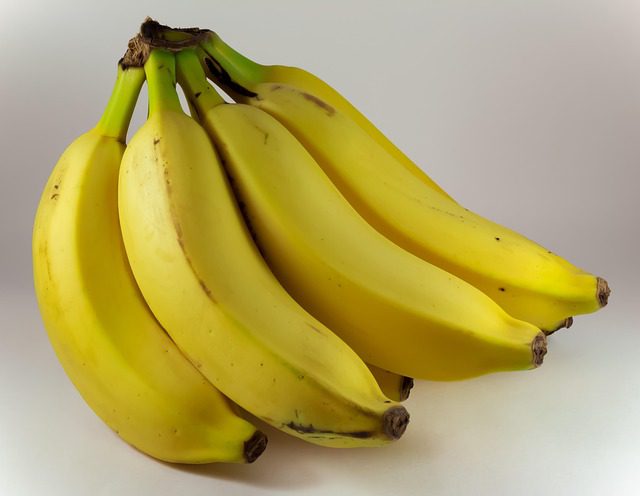
“Why don’t you like bananas?”
This is a question I used to get constantly from my children, and now get constantly from my grandchildren—all of whom are militant banana enthusiasts. These are people who consume bananas straight from the peel, sliced onto cereal, blended into smoothies, and baked into muffins. They view the banana not merely as a fruit, but as a cornerstone of human civilization.
I, meanwhile, view bananas as an evolutionary miscalculation that somehow slipped past quality control.
Explaining Banana Aversion to Banana-Loving Grandchildren
Banana-related conversations with my grandchildren tend to unfold like interrogations conducted by very small, very persistent prosecutors:
“Poppy, why don’t you like bananas?”
“Because I don’t.”
“But why?”
“Because they’re weird.”
“No, they’re not.”
“Yes, they are. They’re squishy and smell funny.”
“But they taste good.”
“To you.”
“But why don’t you like them?”
This is what I’m dealing with—a relentless coalition of fruit loyalists demanding scientific justification for what is, at its core, a deeply personal and entirely rational stance.
If I claimed a banana-related trauma involving a chimpanzee and a tricycle, perhaps they’d show mercy. But honesty—namely, that bananas make me mildly nauseous—is apparently unacceptable.
Why Some People Hate Bananas: Taste, Texture, and Smell
Bananas are the only fruit that manages to be simultaneously mushy, chalky, stringy, and gummy.
That’s not flavor. That’s a design flaw.
And the smell? If bottled, it would be marketed as Eau de Overripe and sold exclusively in truck stop restrooms.
Bananas also possess an alarming tendency to transition overnight from edible to hazardous waste. One moment, they’re yellow and optimistic. The next, they resemble forensic evidence.
The Strange Appearance of Bananas Compared to Other Fruit
Bananas don’t resemble any other fruit in existence.
They’re shaped like punctuation marks. They bruise easily. They age poorly.
Other fruits maintain dignity. Apples remain apples. Oranges remain oranges.
Bananas, meanwhile, seem to deteriorate emotionally as well as physically.
Why Bananas Became the Default Fruit of Modern Civilization
Despite their many shortcomings, bananas have achieved astonishing cultural dominance.
They appear in fruit salads. They infiltrate breakfast menus. They’re offered as optional oatmeal enhancements, often for an additional fee.
No, thank you.
Bananas have become fruit’s equivalent of background music—unavoidable and rarely requested.
How Rare It Is to Dislike Bananas
Disliking bananas places one in a statistical minority.
According to a YouGov survey, only 5% of American adults dislike bananas. Meanwhile, 86% approve of them, and 8% remain neutral—presumably the Switzerland of fruit opinions.
This leaves banana skeptics isolated and unsupported.
There are no banana aversion support groups. No advocacy organizations. No “Banana-Free Since Birth” bumper stickers.
We endure quietly, declining smoothies and discreetly removing banana slices from unsuspecting fruit salads.
Click: ideosparkleonnesha
The Lack of Celebrity Role Models for People Who Dislike Bananas
Every movement needs a spokesperson.
Unfortunately, the only celebrity I’ve found who publicly shares my banana aversion is Kendall Jenner, who reportedly dislikes bananas due to childhood associations with their smell.
While admirable, this falls short of the kind of leadership required to unite banana skeptics worldwide.
We remain, for now, a leaderless resistance.
Read more: Why pilots make good detectives
A Message to My Grandchildren About Bananas
To my grandchildren: I love you. I respect your choices. If bananas bring you joy, you should embrace them fully.
But I will not be joining you.
Not a bite. Not a nibble. Not even under intense peer pressure.
And when you ask again why I don’t like bananas, I will give you the only honest answer available:
Because I don’t.
And that should be reason enough.